

Kindergarten Readiness!
Are you ready? Is your child?
Kindergarten! It’s nearly that time of year! If you are choosing a more traditional route of schooling such as public or private school, you may have noticed that the demands and expectations for your child have vastly increased since you were little! By making sure your child has a strong foundation, entering kindergarten, you can help set them up for success. Listed below are some of the skills your child’s kindergarten teachers would like them to have (plus find options for support if your kiddo isn’t quite there yet)!
We get it, summer scheduling can be challenging.
Ask us how to take advantage of flexible scheduling, virtual sessions, and/or short therapy intensives.
Kindergarten Milestones:
- Attention and Concentration: (Can focus on tasks for short periods, and follow directions)
- Emotional Regulation: (Manage transitions from family and between activities, manage emotions, cope with frustration, etc.)
- Independence and Self-help Skills: (Independently use the restroom, getting dressed, hand washing, etc.)
- Pre-Reading Skills: (Recognizing letters, that letters represent sounds, and having an interest in books)
- Language Skills: (Using complete sentences, following simple directions, and engaging in conversations)
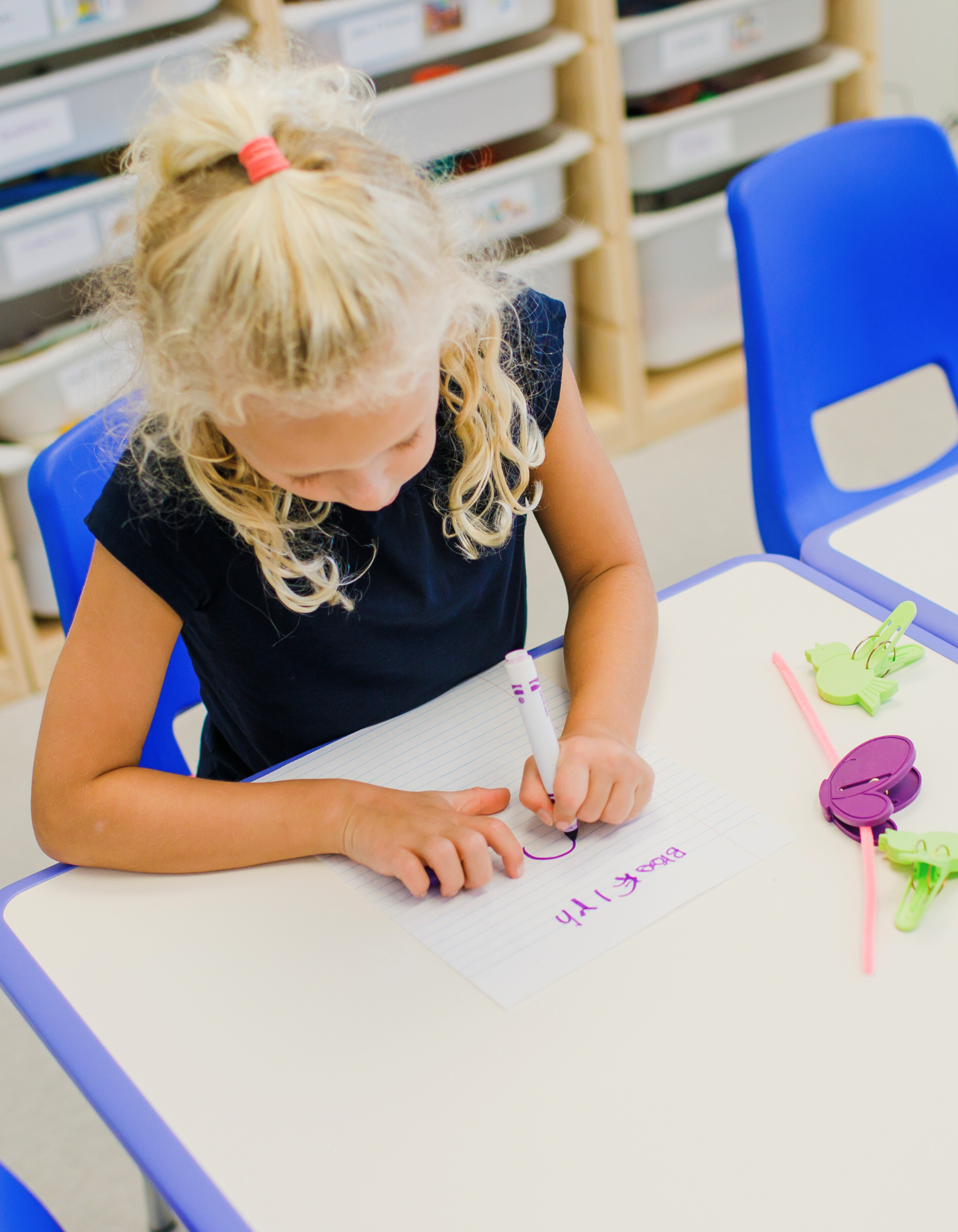
- Pre-Writing Skills: (Hold a pencil correctly, make basic strokes (e.g., lines, circles), write most letters or their name)
- Social Skills: (take turns, share, follow simple instructions, and understand basic rules of social behavior)
- Fine Motor Skills (holding a pencil correctly, using scissors, and buttoning clothes)
- Gross Motor Skills (running, jumping, hopping, skipping, and climbing stairs independently)
- Numeracy Skills: (Recognizing numbers up to 10, understanding “more” or “less”, and sort objects by shape, size, or color)
Wondering how can you use the resources at Emerge to ensure your child is ready for kindergarten success?
Our speech therapists can help boost literacy skills, language skills, and social skills. Our occupational therapists can help your child boost handwriting skills, attention, emotional regulation, and independent self-care. Our occupational and physical therapists can help your child boost their gross motor skills.
Our Services
Occupational Therapy
Physical Therapy
Speech Therapy
Parent Coaching
Meet the Therapists
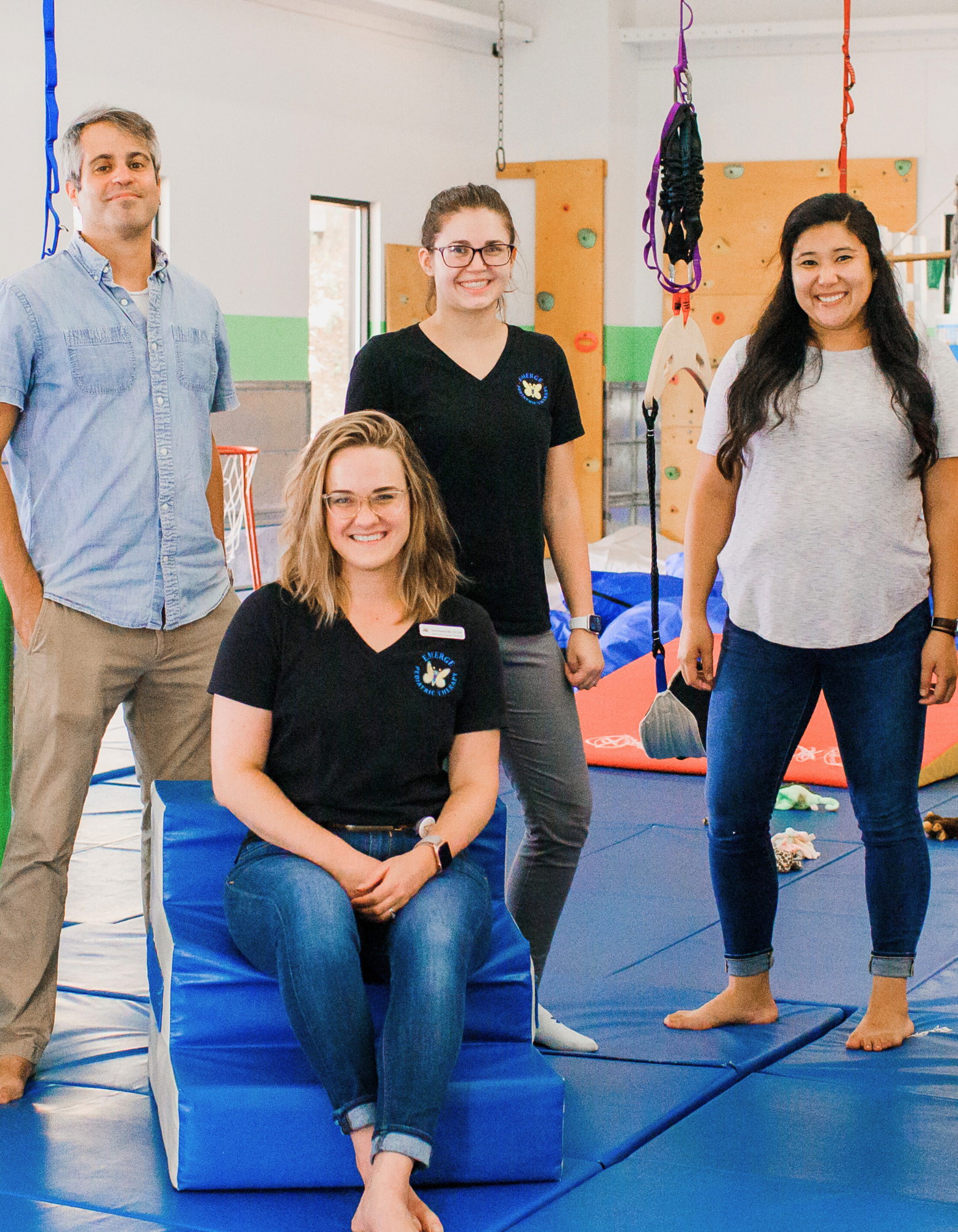
Get to know the therapists on our team and see who might be a good fit for your child!