



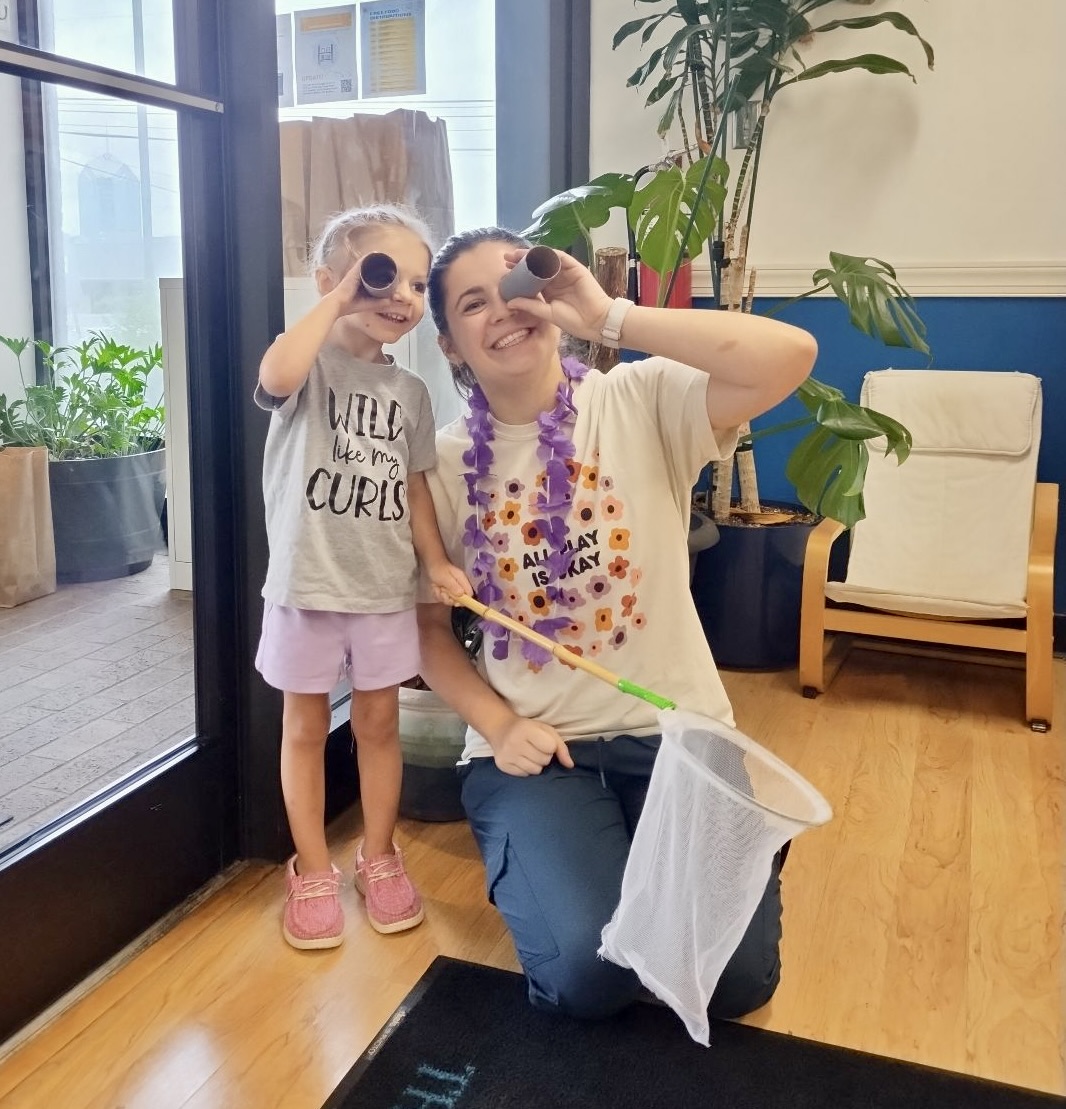
Welcome back to the Emerge blog! Today we’re sharing a new post from Laura Strenk, M.S. CCC-SLP, and a Reading Specialist!
As we move into the summer, many parents wonder about how to best support their child reading while they are out of school. Finding ways to keep your child motivated and provide a “just right” level of support are key. Keep reading for Ways to Support Summer Reading!
Be sure to check out our social media channels for more Reading support tips in The Reading Round Up!
Creative ways to support motivation:
Change up where you are reading!
For example, read outside, in a pillow fort, or on a swing!
Pair reading with other fun activities!
For example, grab a Boba Tea with your child and read side-by-side!
For younger children, read about preferred characters!
For example, find books about Paw Patrol!
For intermediate readers, read a comic book!
For older readers, have them read the book that goes with a movie they like.
For example, watch and read the Hunger Games!
How to provide support:
- When your child gets stuck on a word, you can help them with written cues (using a pencil)
For younger children, this may be putting a dot under every sound that they need to sound out. For example:

For older children, this may be putting lines between morphemes or syllables to help them “chunk” parts of longer words. For example:

Try out a guided reading strip. These tools were designed to help dyslexic children read sentences and passages. The colored overlay reduces visual stress and fatigue, which improves the reader’s concentration.
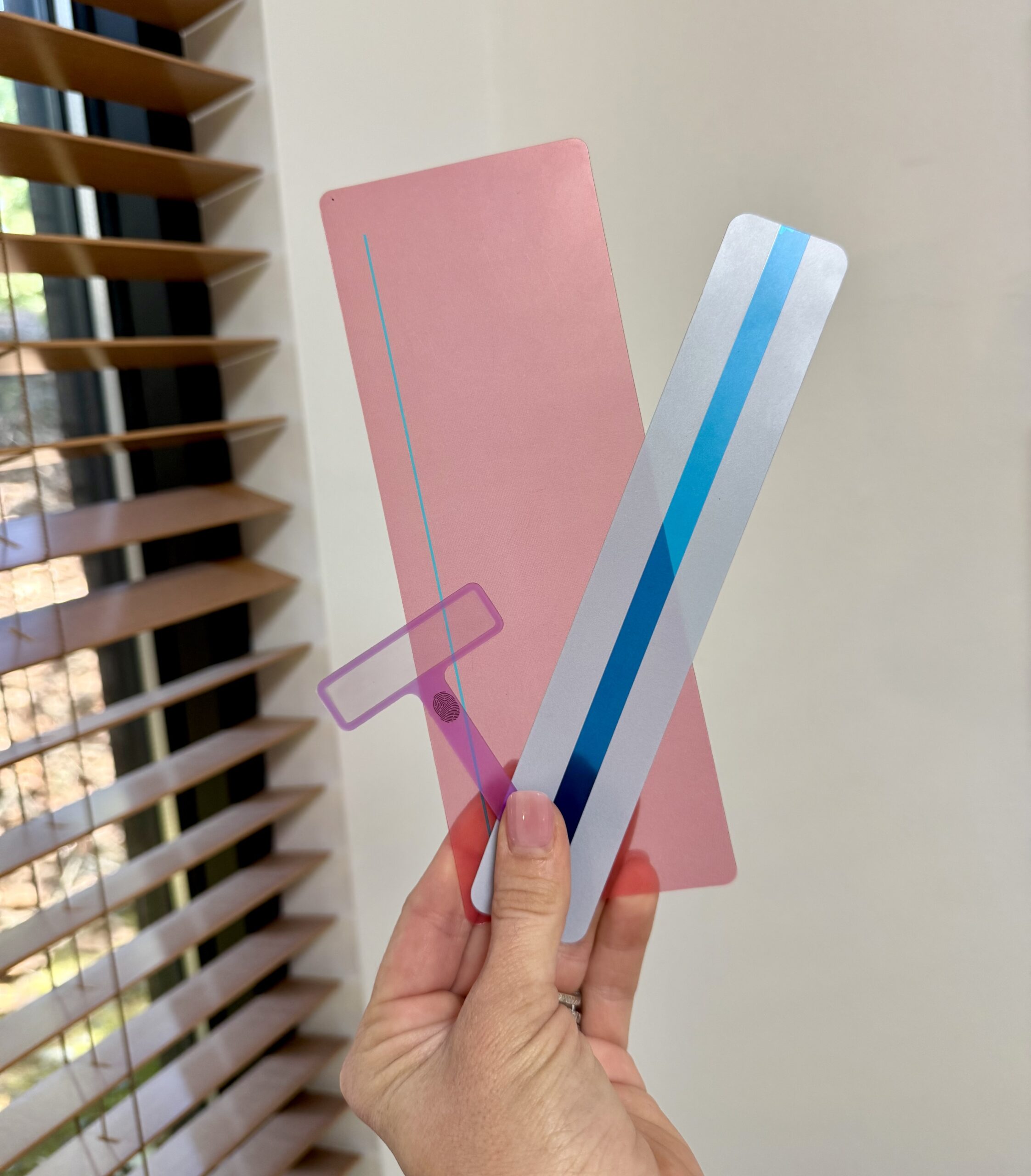
Here are guided reading tools we recommend!
Please note: Links will take you directly to Amazon
We hope these tips & tools create opportunities for fun Summer reading!
Blog by Laura Strenk, M.S., CCC-SLP
No Results Found
The page you requested could not be found. Try refining your search, or use the navigation above to locate the post.
Common Autistic Communication Differences
Read this article by SLPs Jessie and Laura to learn about the common differences between neurodivergent and neurotypical styles of communication!